.png)
Qigong Classes
Qigong (pronounced "chee-gung") is an ancient Chinese practice that integrates coordinated body movements, deep breathing, and meditation to cultivate and balance "qi" (life force or vital energy) within the body. Rooted in traditional Chinese medicine, philosophy, and martial arts, its primary purpose is to promote physical health, mental clarity, and spiritual well-being.

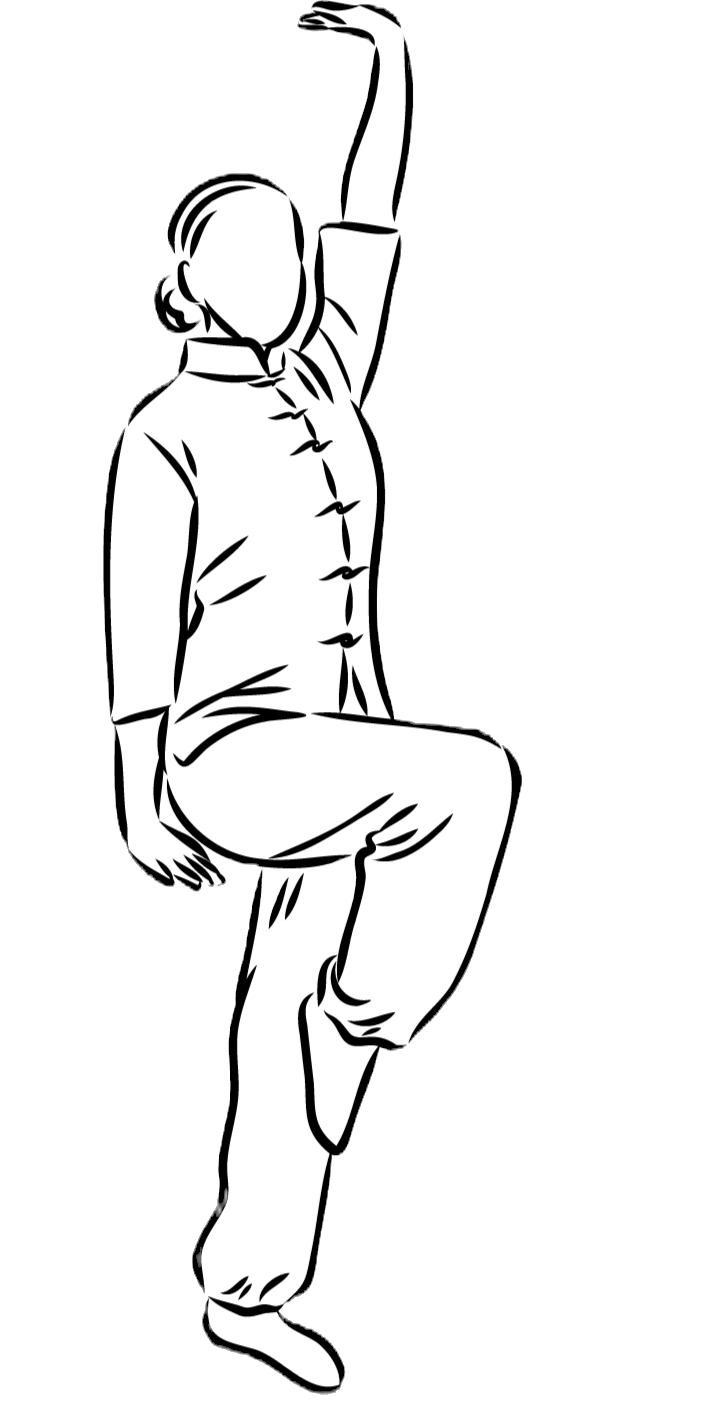
Core Components
The practice of qigong involves three main components:
-
Movement: Typically slow, gentle, and flowing movements or sustained static postures designed to stretch the body, improve balance and flexibility, and promote the smooth flow of qi through the body's energy pathways (meridians).
-
Breathing: Coordinated, slow, and deep diaphragmatic breathing techniques are central to the practice, which helps to oxygenate the blood, calm the nervous system, and regulate the flow of qi.
-
Mindfulness/Meditation: Focused attention, visualization, and a calm mental state are used to enhance awareness, reduce stress, and guide the internal energy flow.
Key Principles and Practice
-
There are hundreds of qigong forms and styles, which can be broadly categorized by their focus:
-
Medical Qigong: Focuses on healing and preventing illness, often used as a complementary therapy to conventional medical treatments to help manage symptoms of chronic conditions, reduce pain, and boost immune function.
-
Martial Qigong: Emphasizes developing physical strength, endurance, and internal power for martial arts training.
-
Spiritual Qigong: Aims for spiritual enlightenment or a deeper connection with the natural world through meditation, self-cultivation, and the balancing of emotions.
-
-
Tai chi, a popular moving meditation, is considered a form of qigong
Health Benefits of Qigong
-
Regular qigong practice is believed to offer a range of physical and mental health benefits, including:
-
Stress reduction and emotional balance.
-
Improved physical function, balance, and flexibility.
-
Enhanced mental clarity and focus.
-
Potential support for conditions like high blood pressure, chronic pain, and sleep issues, though more high-quality scientific research is needed to confirm these effects.
-
Qigong is generally safe and accessible to people of all ages and fitness levels, as movements can be adapted to individual needs.
Qigong Research
Scientific research highlights its effectiveness as a complementary therapy for stress management, mood regulation, and improving physical stability, cardiovascular health, and respiratory function. *National Institute for Health